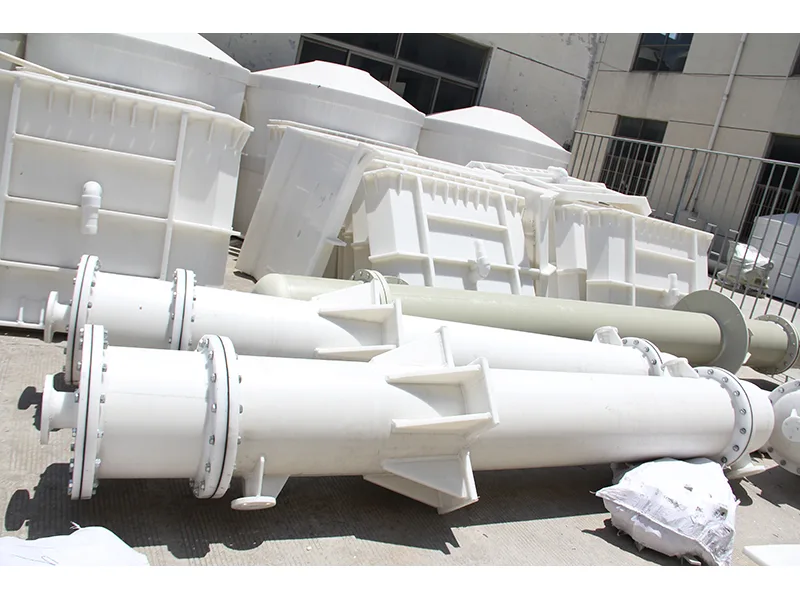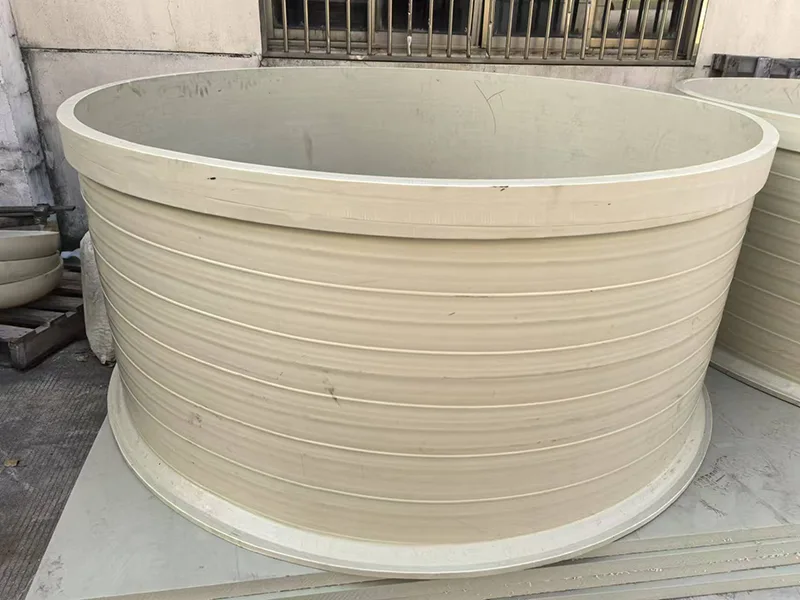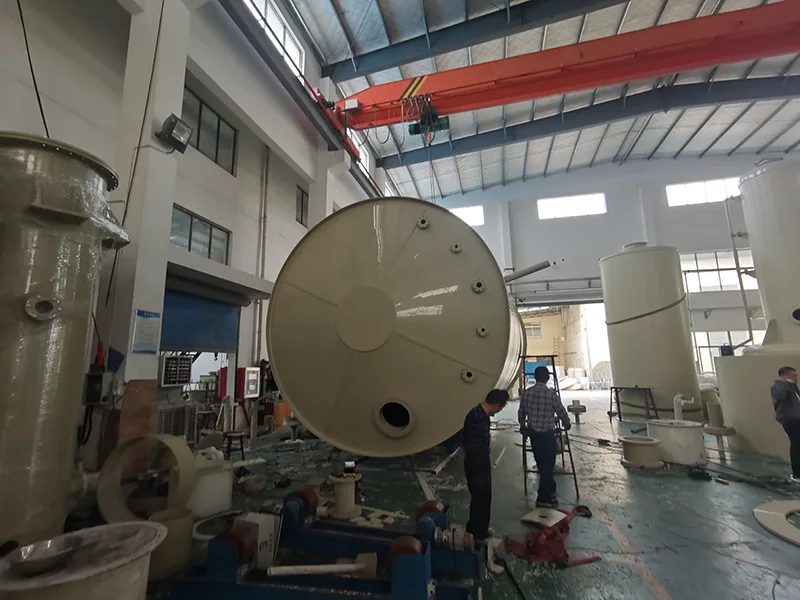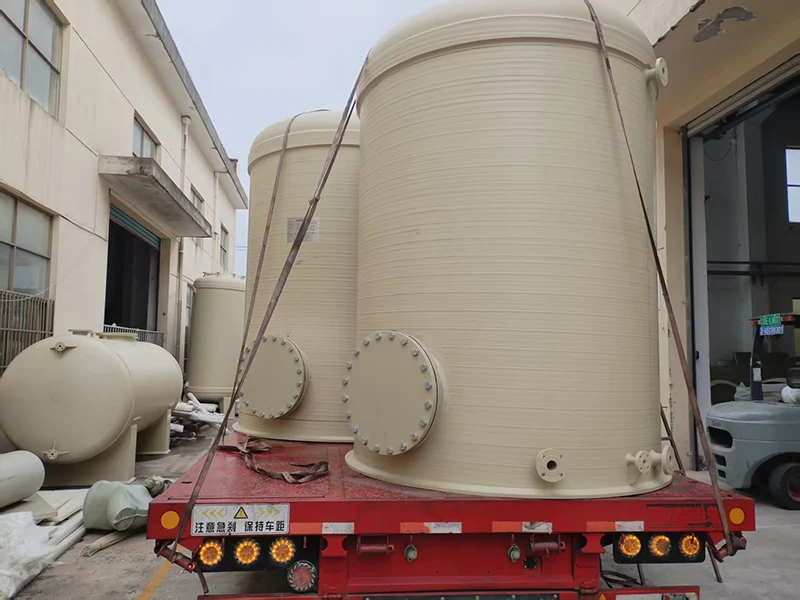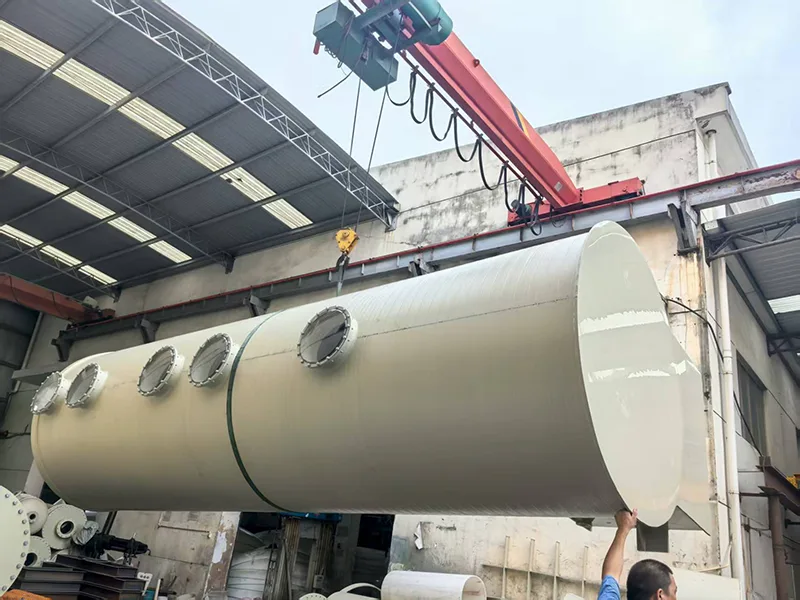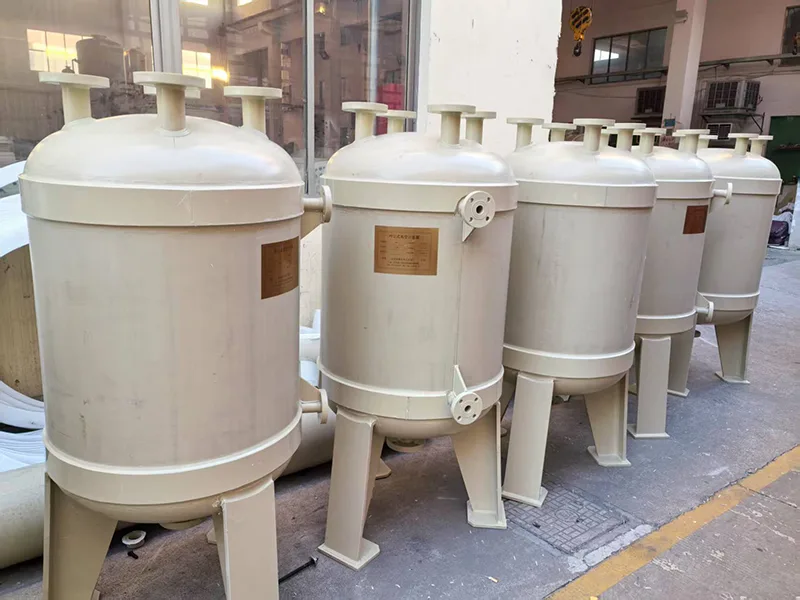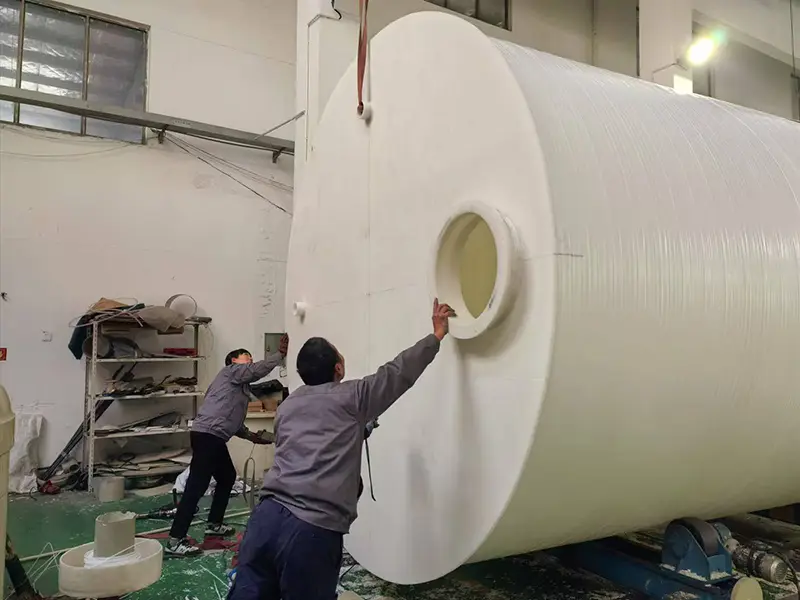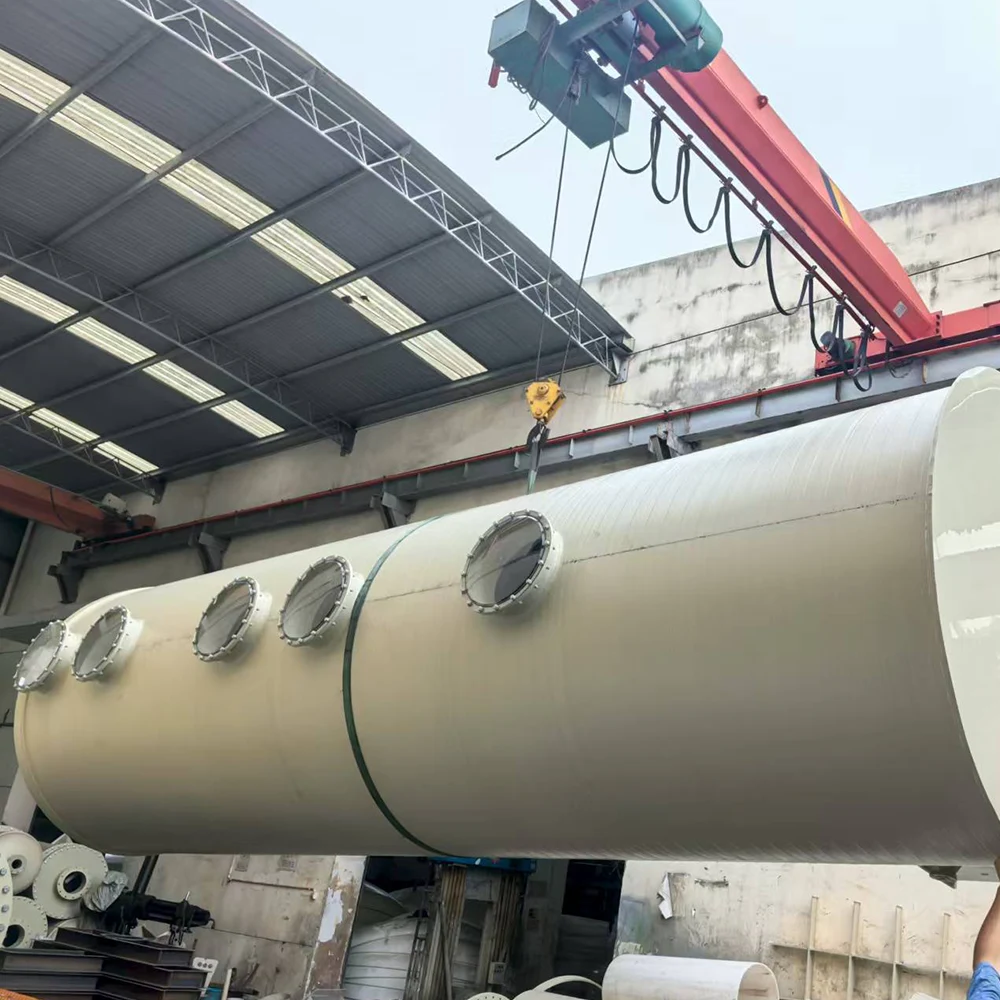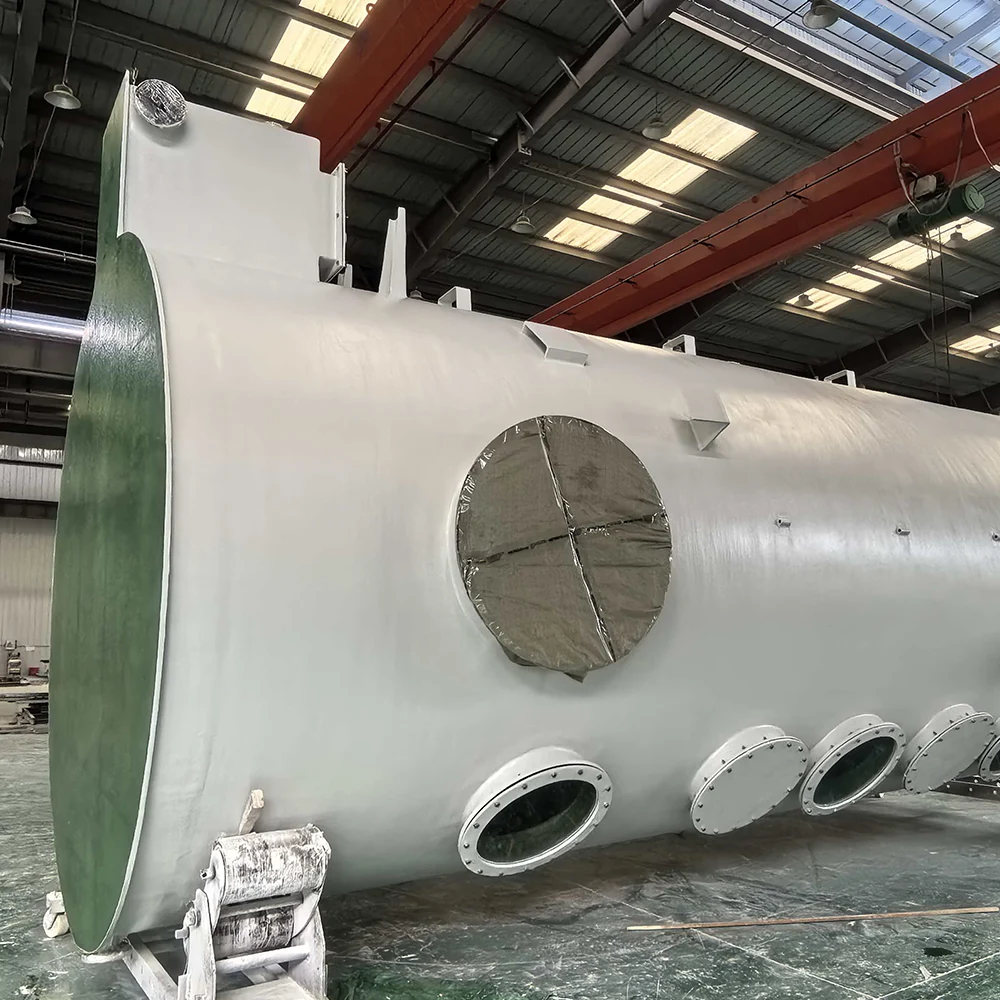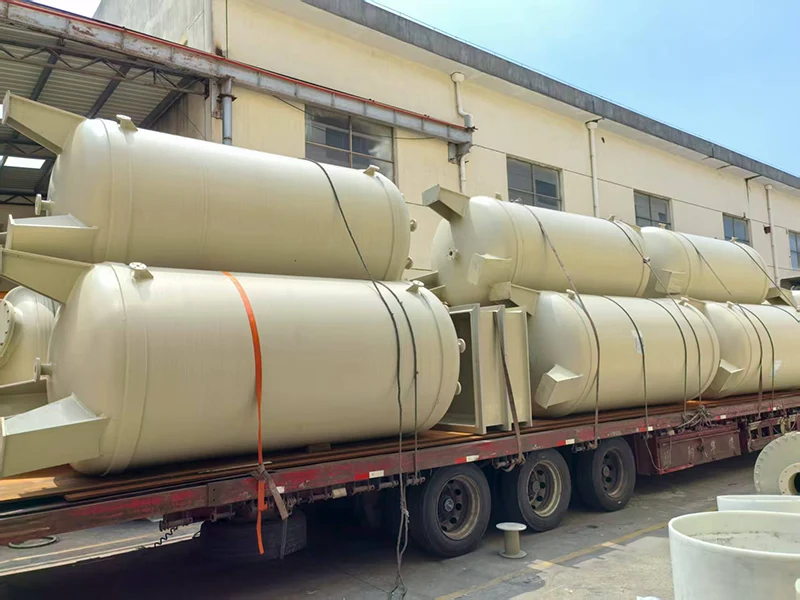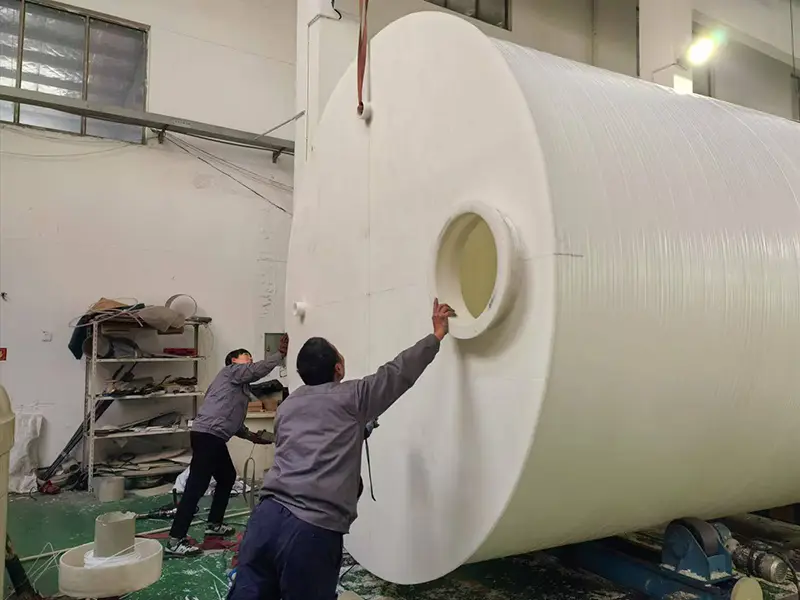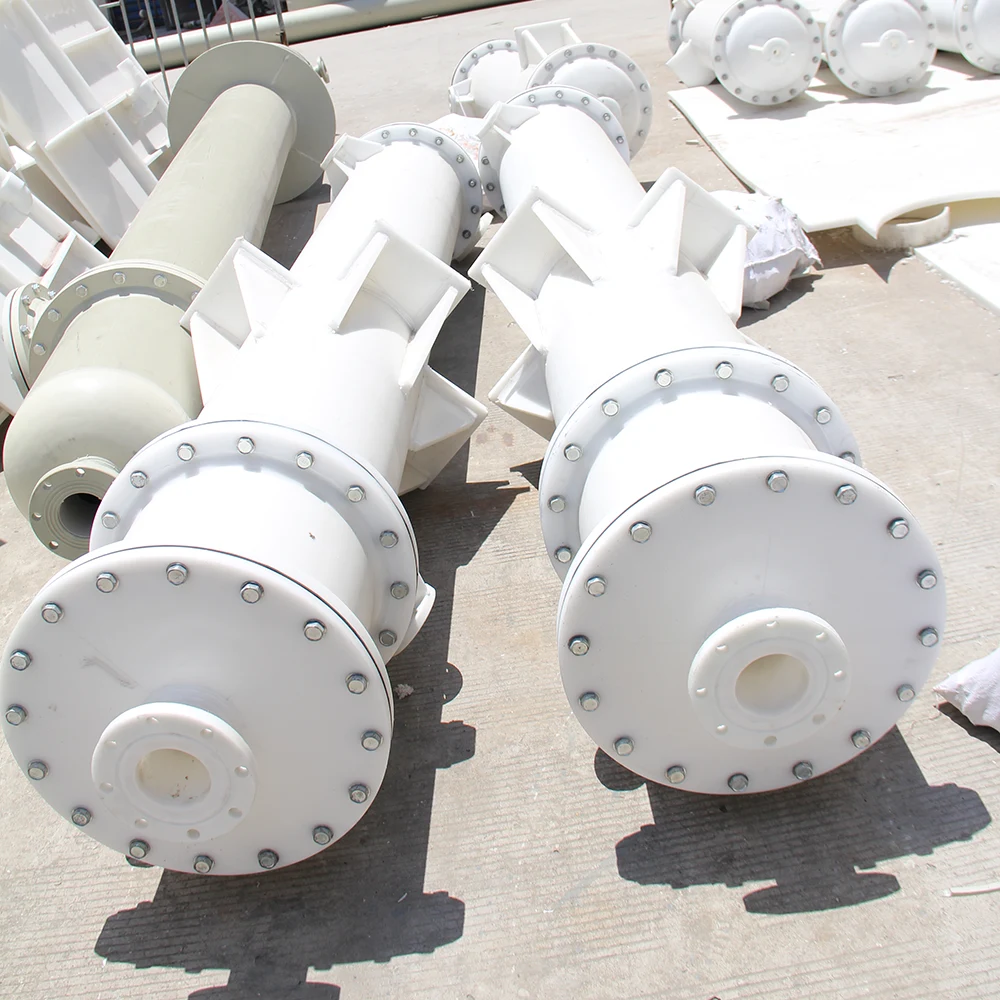
Industrial companies often evaluate equipment choices through the lens of long term reliability, corrosion control, and cost efficiency. When engineers compare modern polymer reinforced structures with conventional metal systems, the question naturally arises: What Are the Advantages of PP Composite FRP Equipment Compared to Traditional Ones? Based on field practice, user feedback, and manufacturing data from our factory, several performance characteristics consistently show why many facilities are shifting toward this type of material system for chemical processing, exhaust gas treatment, and water handling applications.
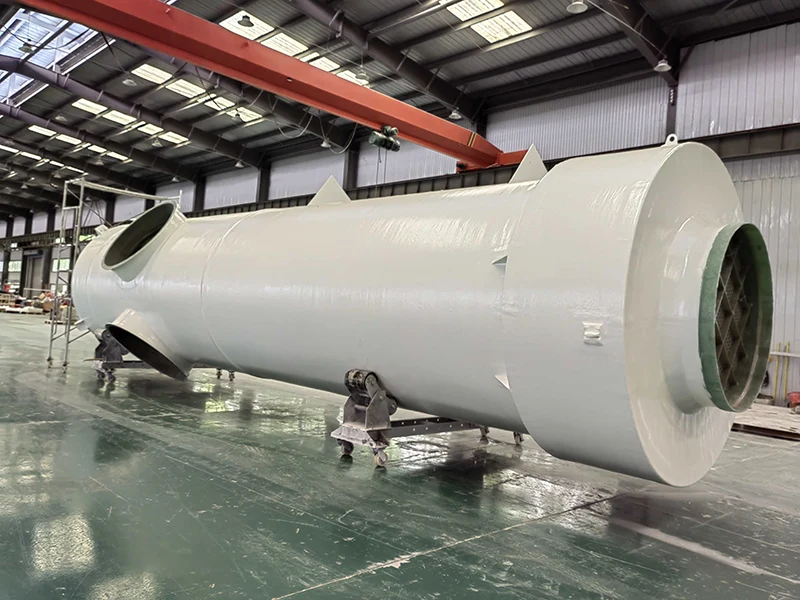
The first advantage most operators recognize is the significant enhancement in corrosion resistance. Traditional metal tanks, ducts, and scrubbers rely heavily on paints or internal coatings to maintain stability when exposed to harsh acids and alkalis. PP Composite FRP Equipment uses a continuous polymer lining bonded to reinforced fibers, forming an inherent corrosion barrier. This structure resists chemical degradation without frequent recoating. In long term service, many engineers report far less surface deterioration and a more predictable maintenance schedule. Taicang Xinda Chemical Equipment Factory has observed similar performance in systems installed for mixed chemical environments where pH levels fluctuate throughout the day.
Another advantage is the favorable strength to weight ratio. Metal structures require heavy lifting equipment, stronger foundations, and additional manpower during installation. Composite reinforced materials reduce overall weight while maintaining substantial tensile and compressive strength. Our engineering team uses a controlled winding process that aligns fibers with expected load paths, which improves stiffness without increasing mass. For contractors working in elevated platforms, confined areas, or retrofitting projects, this reduction in weight results in shorter installation times and lower logistical cost.
A third advantage appears during temperature changes. Metal surfaces expand and contract quickly, which can weaken weld seams or cause coatings to peel. PP Composite FRP Equipment remains dimensionally stable because the polymer and fiber layers distribute thermal stress evenly. Rapid temperature swings found in neutralization towers, exhaust gas conditioning units, or water circulation lines are less likely to produce stress cracks. The thermal stability also helps maintain reliable sealing at flange joints, a factor that reduces leakage risk and protects downstream instruments.
Durability in aggressive environments adds another layer of benefit. Conventional steel systems eventually develop rust, which can contaminate treated water or process fluids. Composite materials avoid oxidation entirely, making them especially suitable for water treatment plants and chemical dosing systems. Our long term monitoring shows that internal surfaces stay smooth over time, which helps maintain stable flow rates and reduces cleaning frequency. This effect is particularly noticeable in applications where sediment or vapor condensate would normally promote rust formation.
Another advantage relates to structural flexibility. PP Composite FRP Equipment can be molded, wound, or welded into shapes that metals cannot easily achieve without complex fabrication steps. For systems requiring irregular geometry or compact routing, this adaptability allows facility designers to optimize layout more freely. Our project teams frequently use this characteristic in renovation projects where existing space is limited.
To help engineers evaluate core properties, the table below summarizes representative parameters from our manufacturing program. These values reflect common selections made by industrial customers, although our factory provides customization to match specific chemical, mechanical, or temperature requirements.
| Internal Lining Material | Polypropylene thermoplastic layer |
| Reinforcement Structure | Continuous fiber wrap with controlled winding orientation |
| Nominal Diameter Range | 500 mm to 3600 mm |
| Continuous Service Temperature | Minus 10 degrees Celsius to 90 degrees Celsius |
| Chemical Compatibility | Suitable for acids, alkalis, chloride media |
Additional Engineering Information
For teams preparing installation plans or verifying compatibility with existing infrastructure, the following data highlights common structural parameters. These figures cover frequently requested specifications across multiple industries and help streamline early design decisions.
| Negative Pressure Capacity | Up to minus 0.09 MPa |
| Fiber Type | E glass continuous filament |
| Inner Lining Thickness | 3 to 6 mm |
| External Structural Layer | Up to 20 mm depending on diameter |
| Connection Options | Fusion welded joints or flanged interfaces |
Q1. How does the corrosion resistance compare to standard metal vessels?
A1. The polymer lining eliminates direct metal contact with corrosive media, which prevents pitting, scaling, and coating failure. This stability allows the equipment to maintain internal surface quality over long periods. Our engineering teams observed significantly fewer corrosion related shutdowns after facilities upgraded to composite reinforced structures.
Q2. Does the lighter weight affect overall structural strength?
A2. No. The reinforcing fibers create a layered structure that provides substantial mechanical strength. The weight reduction improves handling and installation efficiency without sacrificing load capacity. Our technicians routinely use this material in large diameter towers and tanks where strength requirements remain high.
Q3. What benefits appear during system installation?
A3. Contractors typically complete installations faster because less lifting force is required and alignment is easier due to stable, uniform surfaces. The flexibility in fabrication also helps adapt equipment to existing layouts. Our field teams frequently see shorter project timelines when composite systems replace metal assemblies.
PP Composite FRP Equipment provides a combination of corrosion resistance, mechanical stability, lightweight construction, and cost efficiency that traditional systems often cannot match. Its performance in aggressive industrial environments allows operators to reduce lifecycle maintenance, avoid contamination, and achieve more predictable reliability. Taicang Xinda Chemical Equipment Factory supports engineering teams across multiple industries with customized solutions designed to meet demanding service conditions. To discuss your project and explore the best configuration for your facility, contact our team and let us help you design a more efficient system.